
Bristol City Directory Collections
The Bristol Public Library History Room is the clearest local starting point. Its collection page reports Bristol city directories from 1884 through 1991, with sections for Bristol, Terryville, and Plainville. Bristol's public description confirms the span and the geographic sections, but it does not promise that every year is present or identify a publisher for each volume. Treat the Bristol run as a shelf to inspect, not as a complete online index.
| Collection | Years | Publisher or format | Where held | Access |
|---|---|---|---|---|
| Bristol city directories | 1884-1991; every year not guaranteed | Publisher by volume not located; inspect the title page | Bristol Public Library History Room | In person; request the needed year and street section |
| Bristol Press indexes and microfilm | 1871-2006 and 2012-present | Newspaper microfilm, subject and event indexes | History Room | In person; check gaps before relying on a run |
| Church, cemetery, probate, and assessor trails | Church runs vary; probate 1785-1830; assessor 1815-1917 | Registers, indexes, and historical copies | BPL genealogy collection | Reading-room research; not current certificates |
| Maps, house files, and photographs | 1802 turnpike survey; later map and house materials | Maps, clippings, photos, and postcards | BPL History Room | Ask staff about the item and scan availability |
| Historical Society archive | Decades of yearbooks, photographs, and family trees | Local archive and research library | Bristol Historical Society, 98 Summer Street | Contact before visiting |
There is no verified public full-run scan from the library, and the public page does not expose a volume-by-volume publisher list. A missing year may be a real Bristol gap, an uncatalogued item, or a volume that must be requested from staff. Record the title, publication year, page, and section used. If a Bristol volume has a street cross-reference, note that separately because it may be filed under a different heading from the alphabetical names.
Bristol History Room Shelf
The History Room ties the directory shelf to the rest of Bristol's local record stack. The collection description names newspapers, cemetery and church material, diaries, maps, Sanborn Insurance maps, topographic maps, photographs, postcards, and oral histories. The Bristol genealogy guide adds Hale cemetery indexes, Revolutionary soldiers buried in the North and South Cemeteries, Baptist, Congregational, and Trinity Episcopal records, the Tracy Peck Record of Deaths for Bristol 1793-1861, and older probate and assessor leads.
The Main Library is at 5 High Street, and Manross Memorial Library is at 260 Central Street in Forestville. The library contact route lists a Bristol History Librarian and bristolhistory@bristolct.gov; the Bristol city service guide lists 860-584-7787 for library questions. Confirm current hours and reader access before a Bristol visit. A staff-assisted search is useful when an index, microfilm reel, or house clipping is not exposed in a web search.
The Bristol Public Library History Room collection page gives the local collection context used to plan a shelf request.
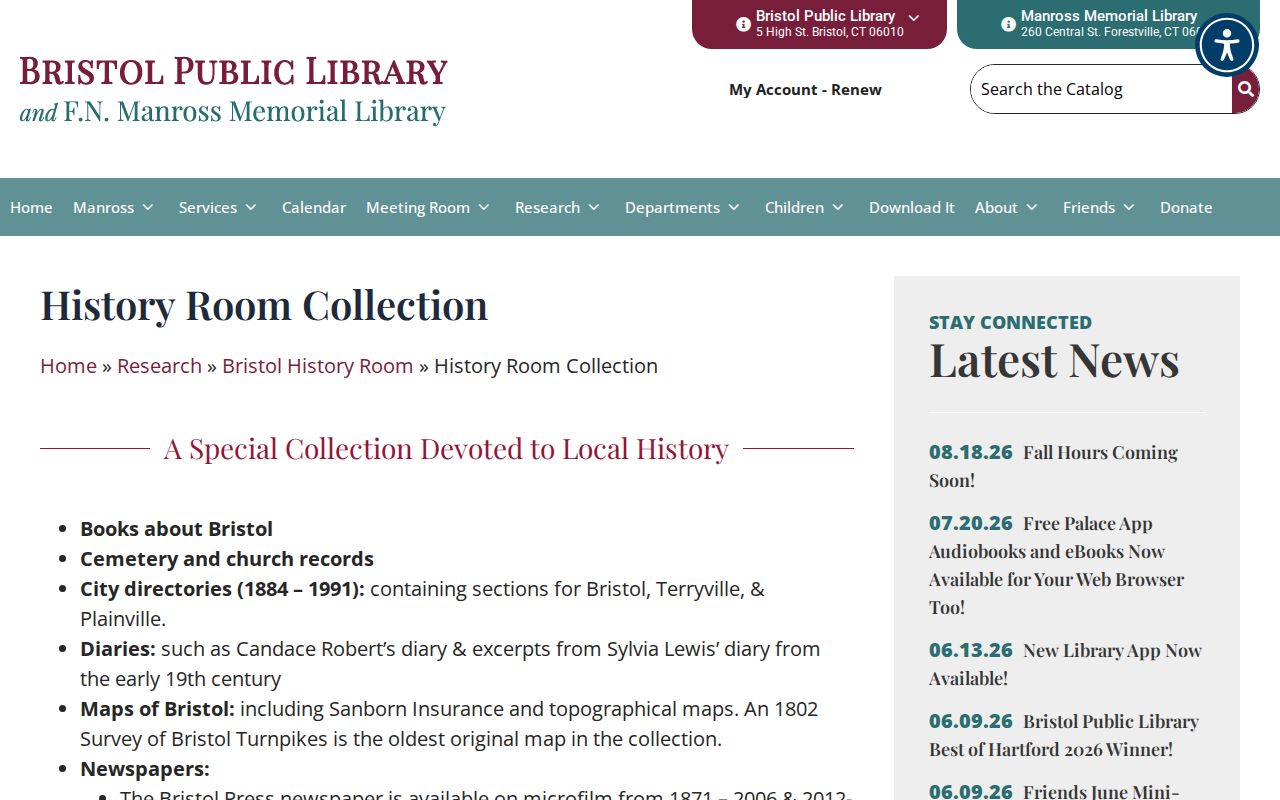
The capture brings the directory run together with the newspapers, maps, and oral-history material that can explain a name or address entry.
The BPL genealogy sources page shows the companion indexes that can extend a directory trail into family and place history.
Those Bristol source groups are leads, not substitutes for a certified vital record or a current custodian response.
Bristol Directories by Locality
A Bristol city directory can carry more than one locality label. The library describes Bristol, Terryville, and Plainville sections in its run, so a Bristol surname search should not stop after the first town heading. Forestville also appears in the digitized district-style sample as a locality and street label. Those labels are useful clues, but they should not be treated as proof that a village, postal branch, and legal municipality had the same boundary.
The Connecticut State Library's digital collections are a second route for older names, maps, aerials, postcards, and other Connecticut material. A public full scan of an individual Bristol city-directory volume was not verified. The safer online use is to search the State Library catalog or CONTENTdm for a titled item, then ask the Bristol History Room or State Library to confirm the volume, page, and locality before citing it as a Bristol city directory.
The Connecticut State Library digital-search page shows the route into its digitized collections.
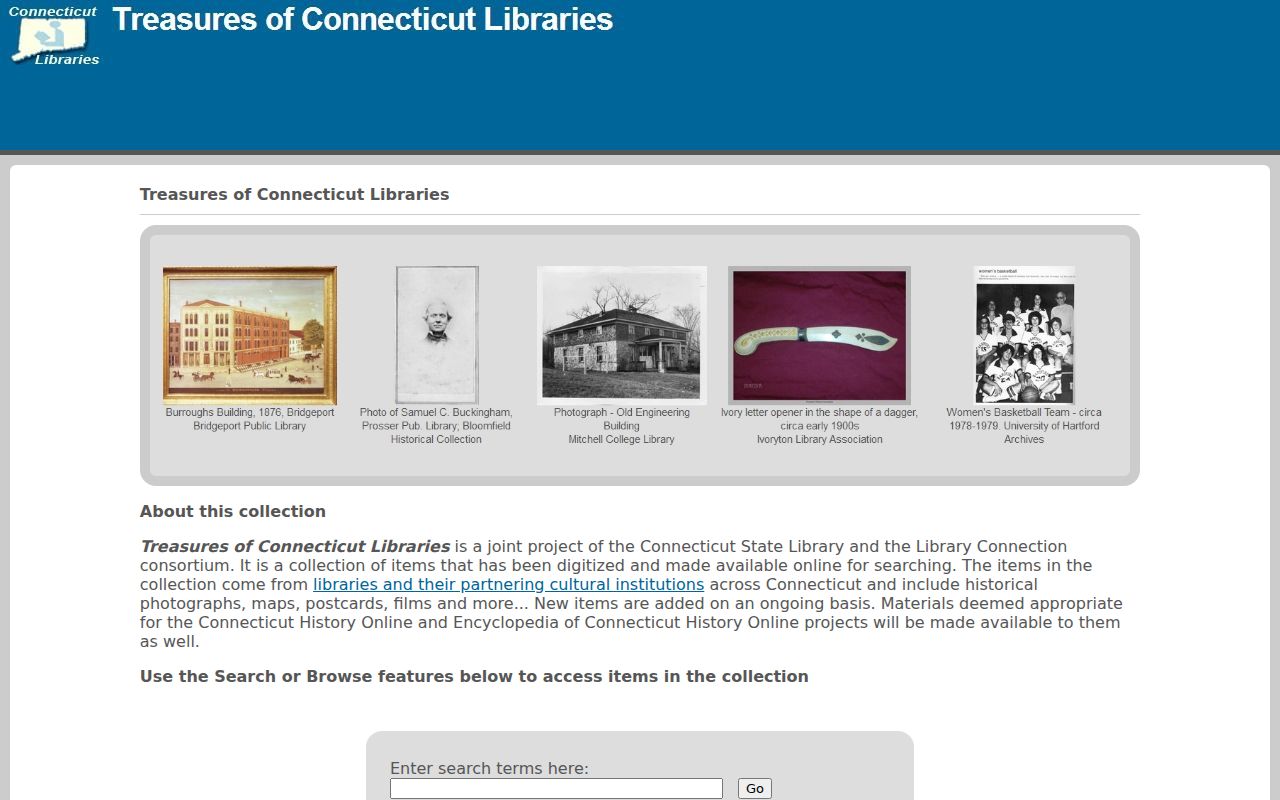
The screen is a search gateway, not evidence that every Bristol directory year is available as a page image. A Bristol page image still needs a title and collection check.
Reading a Bristol City Directory Entry
Read a Bristol city directory entry as a dated record with a narrow purpose. The alphabetical section may give a surname, given name or initial, address, and a trade or occupation descriptor. A street section, when present, can reverse the order and show the names attached to a number. Spouse, widow, owner, renter, or boarder marks depend on the volume and its abbreviation key. Do not carry a symbol from one Bristol publisher into another volume.
The State Library's digitized district directory-style sample shows how much a page can hold in a small line: surname, given name or initial, Bristol or Forestville locality, street when printed, and a telephone number. Examples include George H. Delarm in Bristol, Louis Brown in Bristol, David Y. Clark in Forestville on Pine Street, and Howard N. Ebert on Witches Rock Road in Bristol. The sample is not proof of the Bristol BPL city-directory run, so cite it as a district or telephone-style example.
| Name | Surname, given name or initial, and a spouse or widow notation when the volume prints one. |
|---|---|
| Trade or occupation | The descriptor printed by the publisher. It is a historical clue, not a complete life record. |
| Address | Bristol house number, street, village label, or telephone detail when the source includes it. |
| Owner or renter mark | Use only the symbol explained by that volume's key. Do not assume every run marks tenure. |
| Neighbor context | Adjacent entries in a street section can show sequence, businesses, institutions, or a changed number. |
- Criss-cross section
- The street-order half of a directory, when a volume includes one. It lets a researcher move from a number to a listed name.
- Householder index
- A name-focused list used to locate a household or head of household. Its scope and fields depend on the source.
- Abbreviation key
- The volume's guide to short forms and marks. Find it before interpreting residence, family, or owner notation.
The Connecticut State Library digital collection search is the appropriate route for testing whether a named item has a page image or only a catalog record.
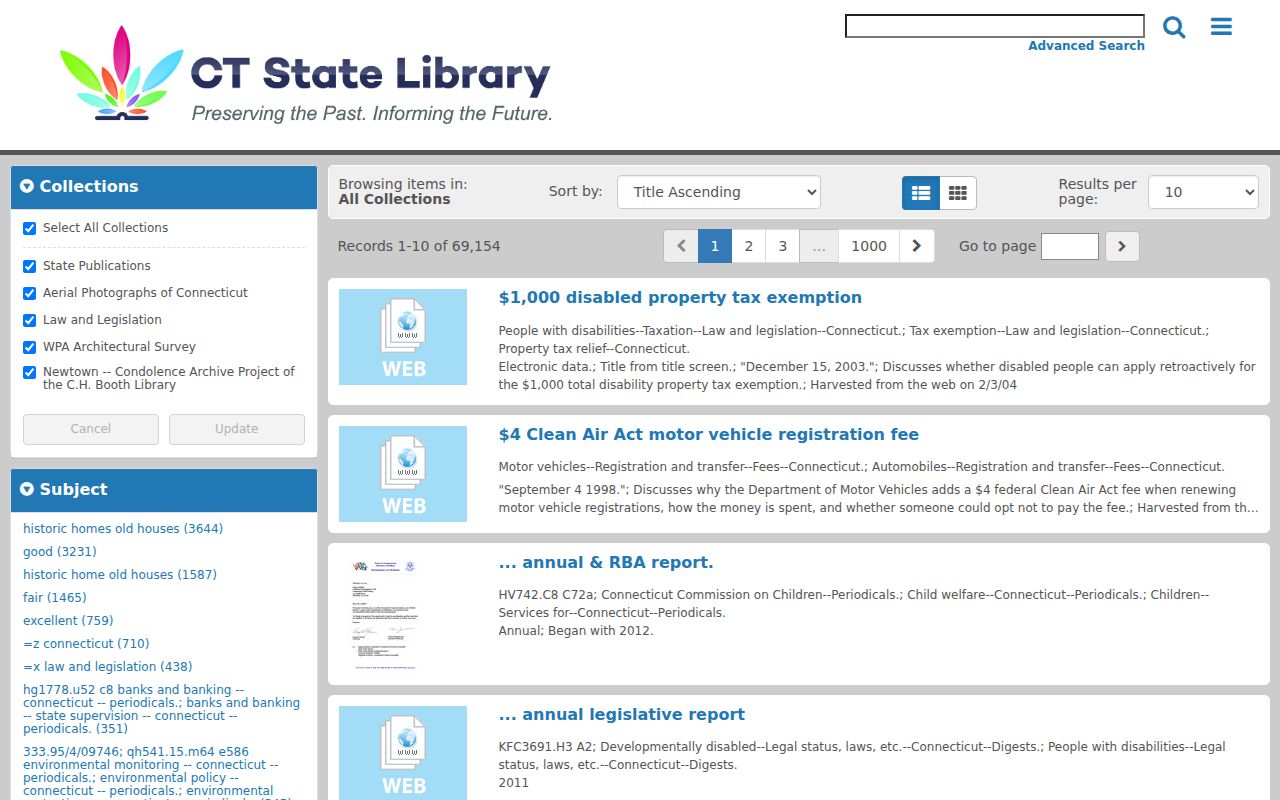
Use the result title and collection name to separate a true Bristol directory page from a broader map, archive, or district record.
Bristol Press and Directory Name Trails
The Bristol Press is a useful companion when a city directory leaves a name at one address. The Bristol History Room reports microfilm from 1871-2006 and 2012-present, with subject and birth, marriage, and death indexes. The library does not name a separate dedicated obituary index, so ask for the Press subject or death index and confirm gaps before drawing a conclusion. An index entry is a lead to a dated article or notice, not the article itself.
Yearbooks add a school and class context. Bristol High School holdings include 1919 and 1930-1959, Bristol Central runs yearly from 1960, and Bristol Eastern covers 1960-2011. Memorial Boulevard and several parochial-school runs have scattered years or listed gaps. Search by school, year, and class, and use current student material with care. A historical Bristol page can connect an old directory entry to a yearbook without turning a school book into a present-person roster.
The Bristol Public Library yearbook holdings page identifies the school and year ranges that can support a name trail.
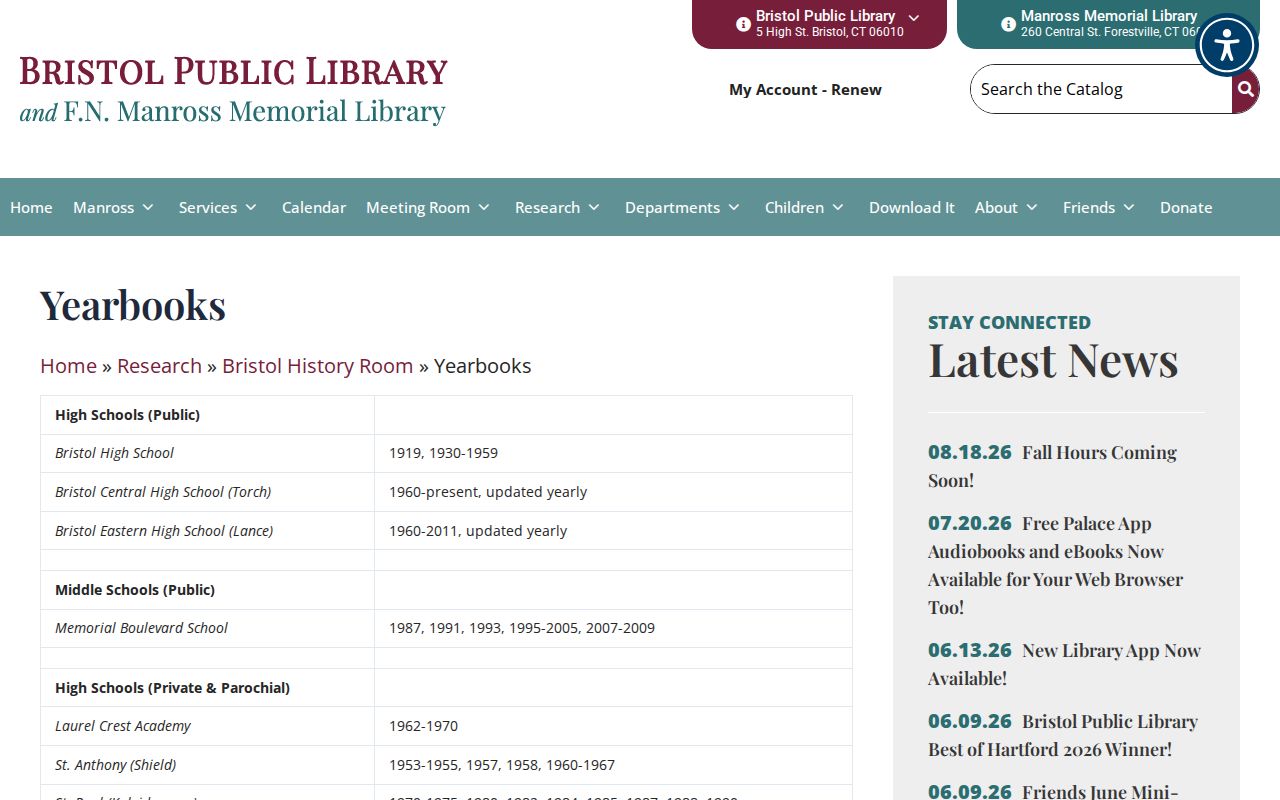
The yearbook screen is most useful when paired with the Bristol directory year and a precise page citation.
Bristol Archives and Map Clues
When a Bristol city directory search reaches an older name, the Connecticut State Library and State Archives provide the statewide fallback. The Bristol town and county guide explains Bristol's Hartford County placement and Connecticut's 169-town structure. State Archives individual-name indexes can surface military, court, and administrative records, while finding aids and CONTENTdm add maps, aerials, and digitized records. Many indexed entries still require onsite consultation with the original.
The Connecticut State Library town and county guide is the place to check the historical town context before assigning a county label to an older source.
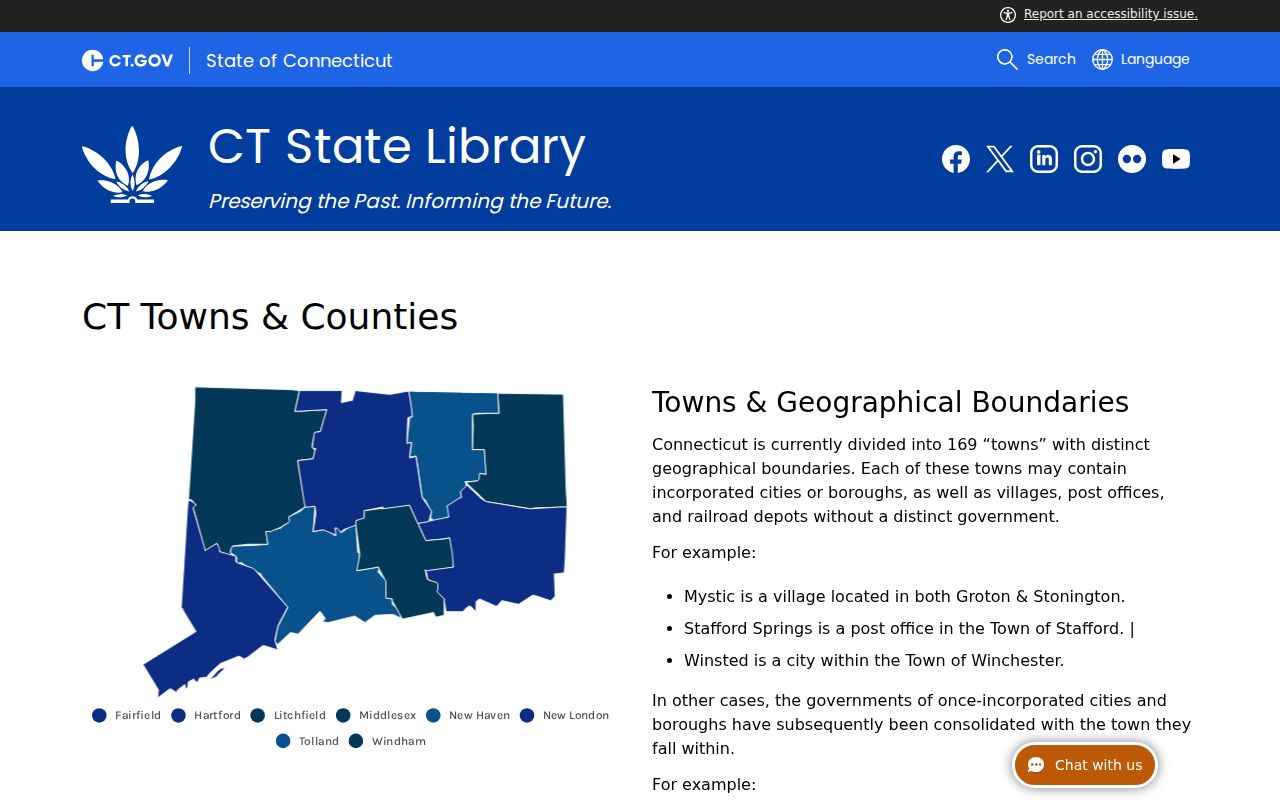
The town-and-county guide helps explain why an old Bristol record may use town language even when a later Bristol source uses city language.
The Connecticut State Library CONTENTdm collections add searchable records and visual material, but a search hit must still be checked against its item description.
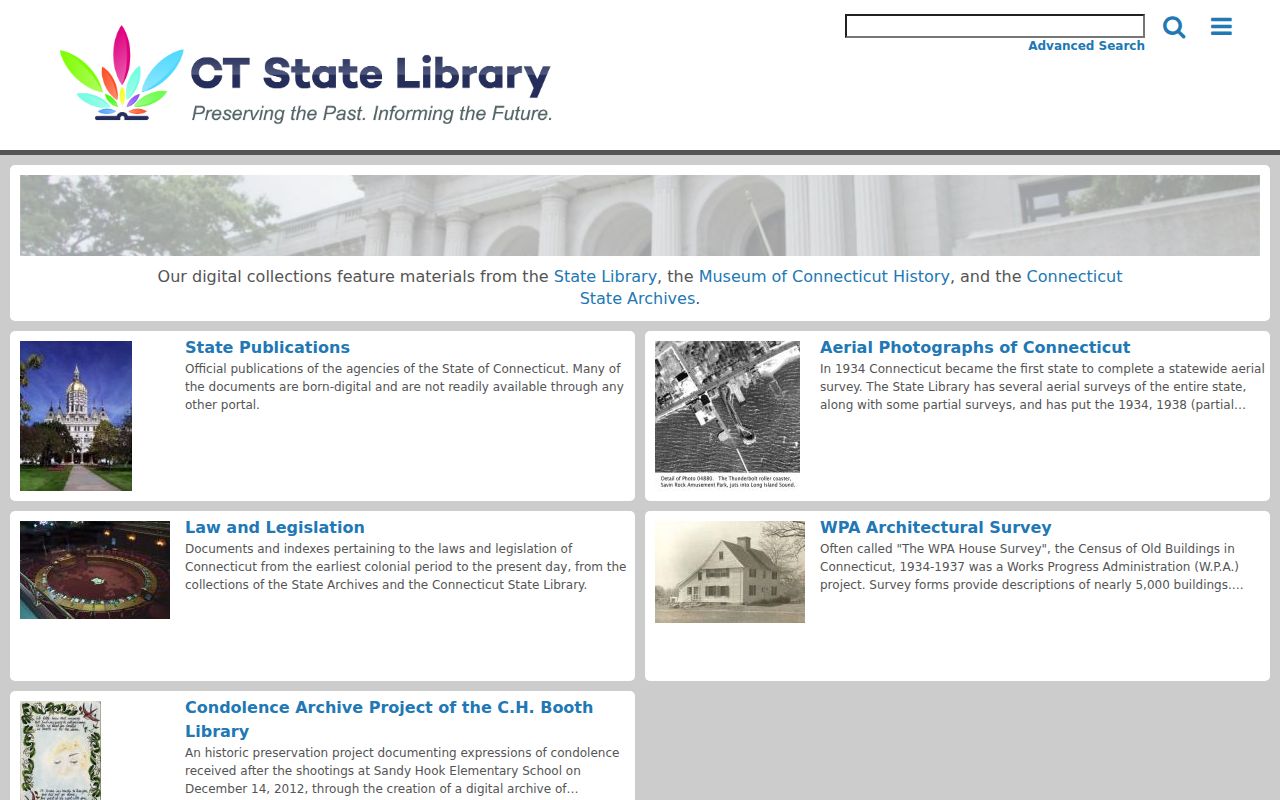
Maps, photographs, and Bristol archive entries can place a person near a street without proving continuous residence.
The State Library research guides are also useful when compact-shelving work changes onsite availability.
Check current Bristol archive availability before planning a trip, and preserve the finding-aid title, series, box or item reference, and search date.
Bristol Historical Society Research
The Bristol Historical Society is a second local archive route. Its Spring 2024 newsletter describes a research collection with family trees of prominent Bristol citizens, Bristol Press volumes and microfilm, decades of yearbooks and photographs, exhibits, programs, and family-history assistance. The Bristol society is at 98 Summer Street, and its phone is 860-583-6309. Newsletter hours are commonly Wednesday and Saturday from 10:00 to 2:00, but confirm before visiting because the public source does not provide a searchable item catalog or a fixed research fee schedule.
Bristol's historic districts and houses can supply place context for an old directory address. The Historic District Commission provides a lawful route for visible historic changes, while the Bristol library's houses guide points to a Historic Resource Inventory, National Register material, indexed Press articles, and a clipping file. These sources can show why a Bristol street or building appears differently across years without guessing at a household.
The Bristol Historic District Commission page connects the local historic-district route to official city information.
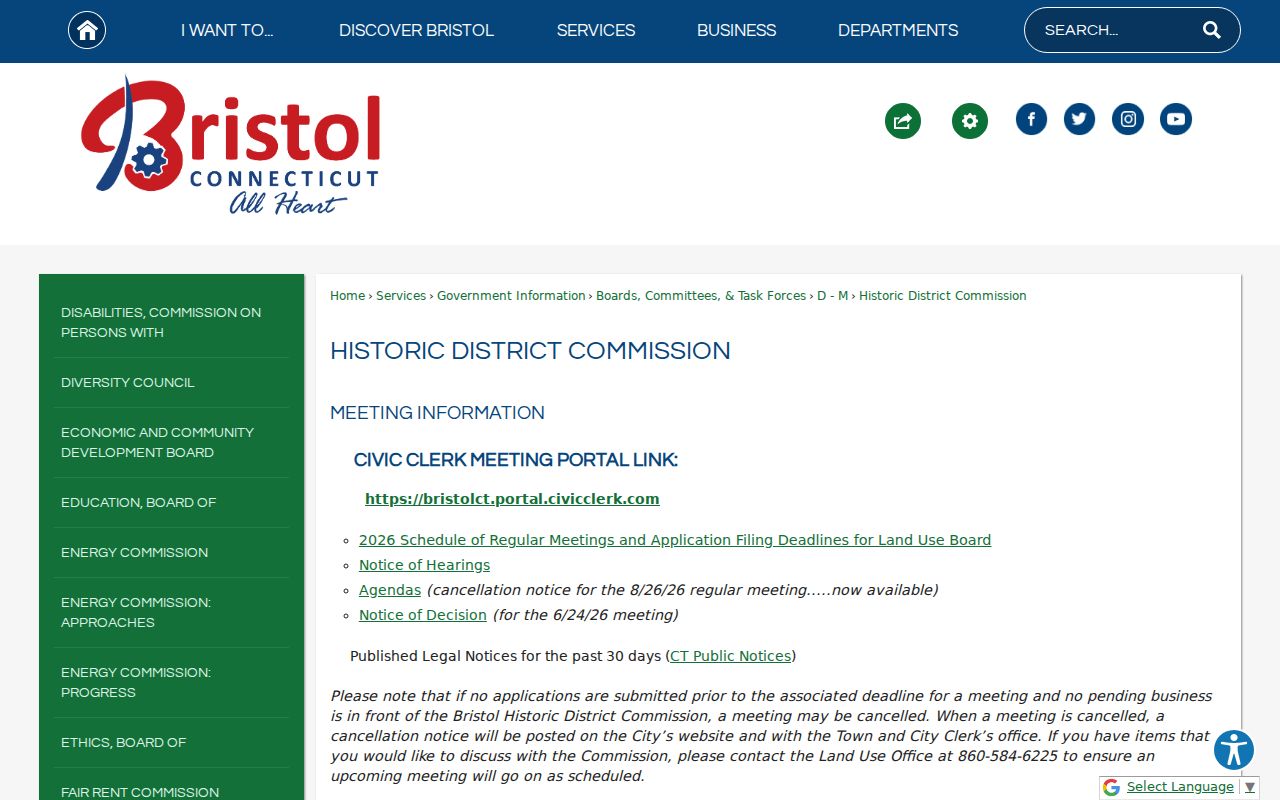
Historic-district material is a Bristol place-history aid; it does not replace the directory volume or a recorded land instrument.
The Bristol Public Library staff contacts provide the research contact route for a History Room question.
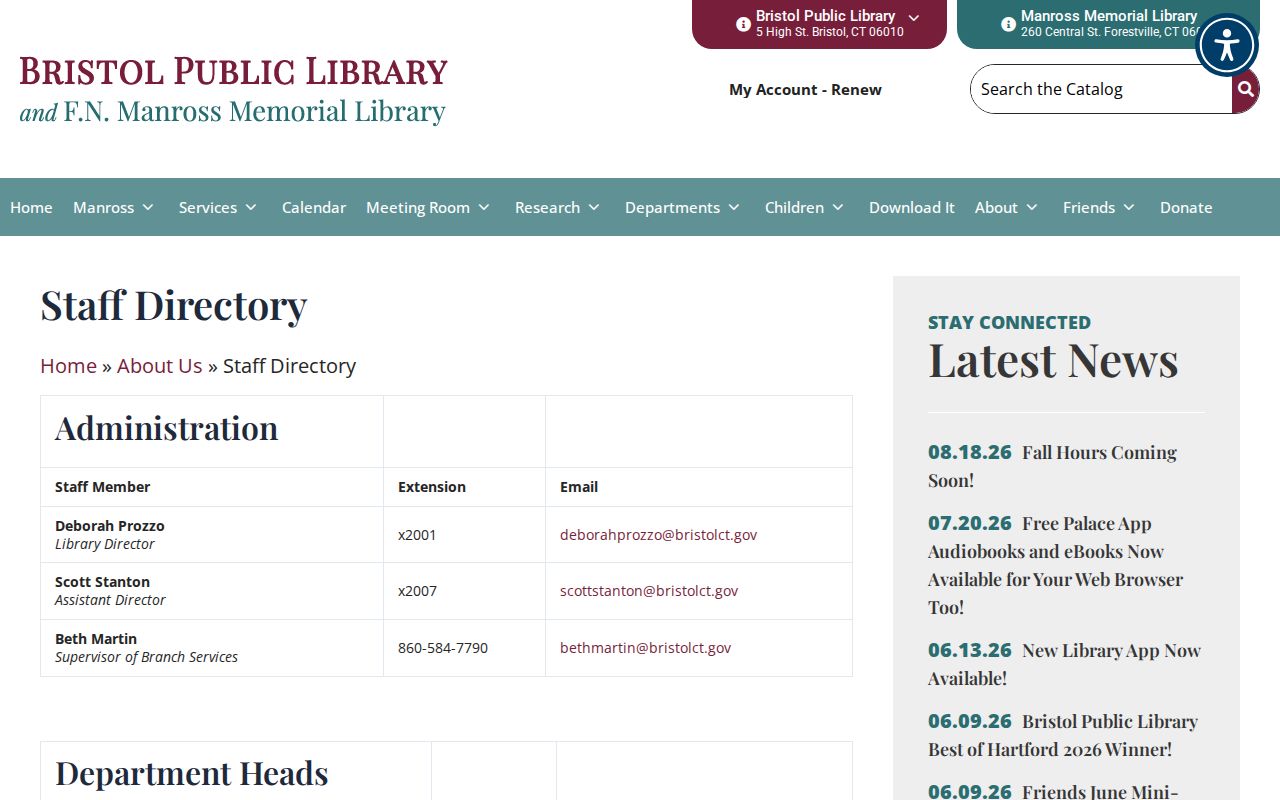
A focused Bristol request should name the person, street, likely year, source type, and question so staff can check the right shelf.
Using Bristol City Directories for Family History
For a family-history question, a Bristol city directory is strongest when its name and address are paired with an independent source. Start with a known Bristol spelling and date. Then move through nearby volumes, street sections, newspapers, cemetery or church records, probate, and maps. A person who disappears may have moved, died, changed a name, been omitted, or fallen into a missing year. The next source should test that possibility instead of filling the gap with an assumption.
- Find the person's first clear Bristol appearance and record the title, year, page, name spelling, and address.
- Check the next available volumes, including initials, spouse names, village labels, and street variants.
- Use a reverse or criss-cross section when present to test the number and nearby entries.
- Pair each Bristol directory period with the matching federal census year, observing the 72-year release rule.
- Close the trail with the Bristol Press index, cemetery, church, probate, or house-history source that fits the question.
Keep an audit table with year, person or entity, source type, exact citation, relationship to the Bristol address, and confidence. A missing name means only that it was not found in that source. For living people, use older records, public historical figures, organizations, and official record routes rather than publishing a compiled private profile.
| 1785-1830 | Bristol probate leads in the BPL genealogy collection can connect an estate, fiduciary, and family name. |
|---|---|
| 1884-1991 | The BPL city-directory run supports dated name and address comparisons, with missing-year and publisher gaps to verify. |
| 1871-2006, 2012-present | Bristol Press microfilm and indexes can add death, family, house, and civic notices around a directory entry. |
| 1815-1917 | Historical assessor records listed by the library can add an older name or parcel lead, subject to collection access. |
The route from a directory to a current record belongs on the official custodian's terms. When a historical name needs modern confirmation, use the Bristol resident lookup workflow and label the older directory entry separately from the present-day result.